


Carvana Expands into New-Vehicle Market by Acquiring Stellantis Dealerships
In a significant shift for the automotive retail landscape, Carvana, the online-focused used vehicle retailer, has been quietly expanding into the traditional franchised new-car market by purchasing several Stellantis-brand dealerships across the United States. The acquisitions mark a departure from Carvana’s pure digital roots and signal a new chapter in how cars are bought and sold in an era that blends online convenience with physical showroom access.
Carvana’s move into franchised sales began in early 2025 with its first purchase of a Chrysler Dodge Jeep Ram dealership in Casa Grande, Arizona, a strategic entry point that offered the company its first foothold in brick-and-mortar retail beyond its flagship used-car model. Since that initial buyout, the company has steadily added more Stellantis dealerships to its portfolio, including locations in Dallas and Sacramento, California, bringing the total to at least five stores operating under the Carvana name.
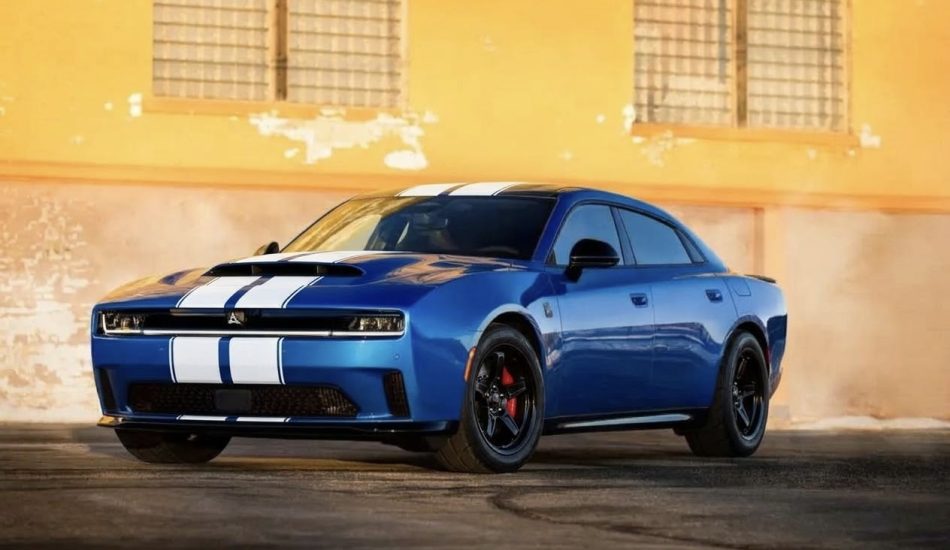
Each of these dealerships now sells new Chrysler, Dodge, Jeep and Ram vehicles alongside Carvana’s extensive used-car inventory. Customers browsing inventory online can choose to have their vehicle delivered directly to their home or, if they prefer, visit the physical location for a test drive or service work. The retail strategy reflects a hybrid business model that seeks to combine the ease of Carvana’s digital platform with the tangible benefits of a traditional dealership presence.
Industry observers say these Stellantis dealerships remain attractive targets for acquisition because they bring access to new-vehicle sales and trade-in flow, which Carvana has historically lacked as a pure used-vehicle seller. Access to fresh trade-ins and off-lease returns can help the company improve its used inventory supply, a perennial challenge in a market where certified pre-owned vehicles are in high demand.
Although Carvana has become best known for its online car vending machines, home delivery services and straightforward pricing model, its leadership sees value in owning physical franchise stores that can bolster customer trust and offer additional touchpoints for people who want in-person interaction. The company’s acquisitions reflect a broader trend in the industry, where digital platforms and traditional dealerships are increasingly intersecting rather than competing in isolation.
Carvana itself has described its dealership purchases as early tests of a new business avenue, with executives signaling that the company intends to learn from each store as it adapts to a more complex retail role. Whether this blend of online and physical sales becomes a larger focus for Carvana remains to be seen, but the acquisitions certainly position it differently from most traditional used-car retailers and disruptors alike.


 Antique Cars
 Classics
 Military Vehicles
 Modern Vehicles
 Muscle Cars
 Restomods and Customs