

Stellantis Revives Diesel Cars Across Europe as EV Demand Slows
Global automaker Stellantis — parent company of familiar names like Jeep, Fiat, Peugeot, Citroën, Opel, DS Automobiles and more — is quietly bringing diesel-powered passenger cars and vans back into the European market after years of decline for combustion-engine vehicles. This strategic shift comes as sales of electric vehicles (EVs) have not met automaker expectations and regulatory frameworks in parts of Europe have become more favorable toward internal-combustion engines.
Diesel Returns After Years of Decline
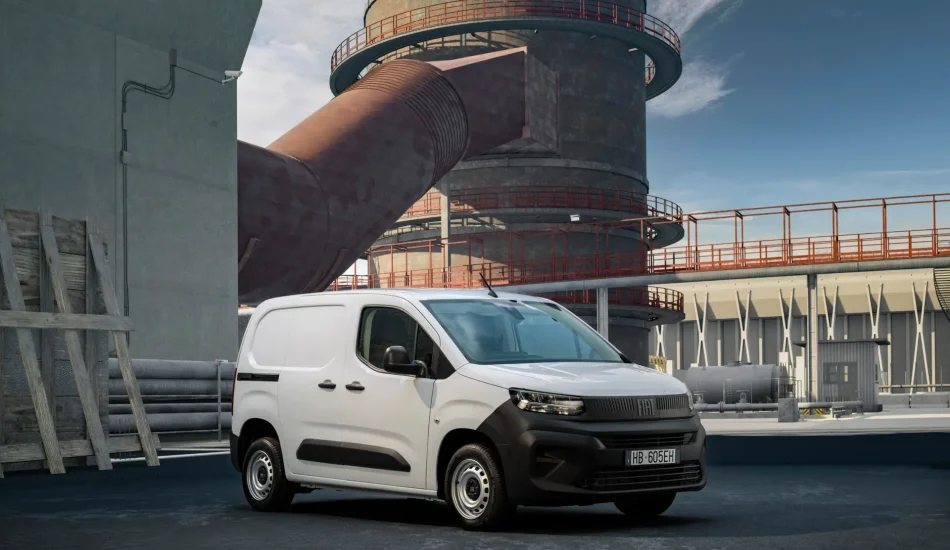
In a move that caught some industry watchers off guard, Stellantis began reintroducing diesel variants of at least seven models in Europe late in 2025, according to a review of dealer listings and company statements. Among the vehicles now offered with diesel engines are versions of the Peugeot 308, the premium DS 4 hatchback, and multiple passenger vans — segments where diesel historically held strong appeal before its market share fell dramatically after the Dieselgate emissions scandal and the rise of electric vehicles.
Diesel once accounted for more than half of new car sales in Europe, but by 2025 they made up only about 7.7 % of new registrations, compared with about 19.5 % for electric vehicles. Nonetheless, Stellantis sees customer demand for efficient diesel powertrains — especially in markets where long-distance travel and towing capability remain priorities — as an opportunity to differentiate itself and capture a competitive niche that many Chinese EV makers currently do not serve.
Strategic Shift Amid EV Slowdown
The broader context for this tactical shift is a global slowdown in EV sales growth coupled with changing regulatory outlooks in both Europe and the United States. European emissions targets are being relaxed in ways that extend the viability of combustion-engine vehicles, and recent policy changes in the U.S. have eased greenhouse-gas emissions standards, reducing pressure for rapid electrification. Stellantis itself has acknowledged these market realities by balancing its electrification plans with continued support for existing internal-combustion options and hybrid variants.
Stellantis told Reuters that it intends to keep diesel engines as part of its product portfolio and may even expand offerings where it sees customer demand and competitive advantage. In the U.S., the company has already revived traditional combustion-engine models, including versions of the Jeep Cherokee and vehicles equipped with powerful Hemi gasoline engines.
Why Diesel Still Matters
While diesel’s overall market share remains small compared with EVs, the segment still makes sense for many buyers who value:
- Lower operating costs compared with gasoline and electric powertrains
- Better fuel economy on highways
- Stronger torque for towing and commercial use
For automakers, diesel engines often carry lower development and production costs relative to battery electric vehicles, making them appealing in price-sensitive segments or regions where EV infrastructure remains limited.
Market and Brand Implications
Stellantis’ decision to resurrect diesel models underscores a broader recalibration across the auto industry, with companies reassessing how quickly to phase out combustion engines. While electrification remains part of long-term strategies, the resurgence of diesel underscores the importance of flexibility in product planning and responsiveness to regional demand patterns.

 Antique Cars
 Classics
 Military Vehicles
 Modern Vehicles
 Muscle Cars
 Restomods and Customs