

Driving the “Wrong” Car to Work Could Get You a Ticket
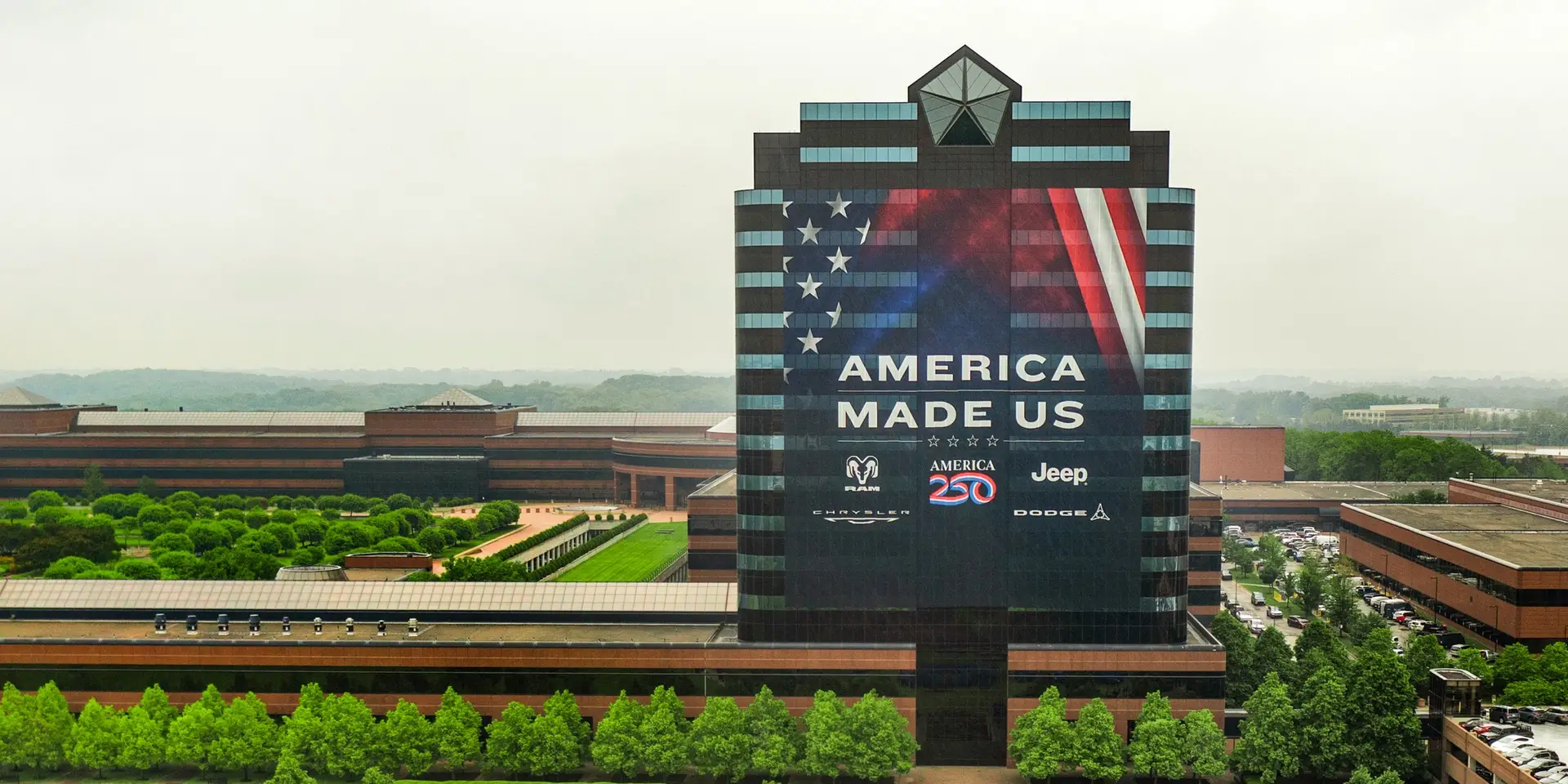
At Stellantis headquarters in Auburn Hills, Michigan, returning to the office has come with an unexpected twist. Some employees say they are receiving parking warnings not because of where they parked, but because of what they drove to work.
As more workers return to in person schedules, the company has reinforced a policy that gives preferred parking spots to vehicles made by its own brands. That means employees driving cars from outside the Stellantis portfolio may find themselves parking farther away or even receiving a warning from security.
A Policy Rooted in Auto Industry Culture
While the situation may sound unusual, it reflects a long standing tradition in the automotive world. Companies have historically encouraged employees to drive the vehicles they help design, build, or sell. At Stellantis, this idea is reinforced through convenience. Employees who drive brands like Jeep, Dodge, Chrysler, or Ram often get access to closer parking spots, while others are directed to more distant lots.
With thousands of workers commuting to the campus, proximity matters. Parking farther away can add 20 to 30 minutes of walking time, making those closer spaces highly desirable, especially during harsh Michigan weather.
Warnings, Not Fines but Still Frustrating
Employees have reported that these parking violations typically result in warnings rather than financial penalties. However, repeated violations could escalate, potentially leading to more serious consequences like having a vehicle booted.
The policy has also led to confusion in some cases. Workers have shared stories online about being flagged even when driving older or discontinued brands that technically fall under the company’s history. Stellantis has acknowledged the issue and said it is reviewing processes to reduce mistakes.
Not Just a Stellantis Thing
This kind of brand loyalty enforcement is not entirely unique. Similar practices have existed across Detroit’s auto industry for decades. Some plants and facilities have historically restricted parking access based on whether employees drove company vehicles or competitors.
That said, policies vary widely. Some automakers have moved away from strict enforcement at corporate offices, while others maintain informal or location specific rules.
The Bigger Picture
The debate highlights a broader tension between corporate culture and employee flexibility. On one hand, automakers want their workforce to represent the brand. On the other, employees expect the freedom to drive what suits their needs without workplace consequences.
For now, Stellantis appears to be trying to strike a balance. Preferred parking remains a perk for loyal drivers, while others still have access to parking, just not the most convenient spots.
Still, the idea that your choice of car could impact your daily commute in such a direct way is a reminder that in the auto industry, brand loyalty can extend well beyond the showroom floor.


 Antique Cars
 Classics
 Military Vehicles
 Modern Vehicles
 Muscle Cars
 Restomods and Customs