

Lancia Gamma Celebrates 50 Years of Innovation and Italian Elegance
The Lancia Gamma stands as one of the most distinctive chapters in Italian automotive history. Introduced in 1976 as Lancia’s flagship model, the Gamma combined advanced engineering with unmistakable design, creating a car that still captures attention fifty years later. Lancia Gamma 50 years
Built in Turin, a city long associated with automotive excellence, the Gamma represented Lancia’s ambition to compete at the highest level of executive cars while staying true to its unique identity.
A Flagship Born in the Seventies
When the Gamma debuted at the Geneva Motor Show in 1976, it immediately stood out. It replaced the earlier Lancia 2000 and positioned itself as a modern, forward thinking flagship for the brand.
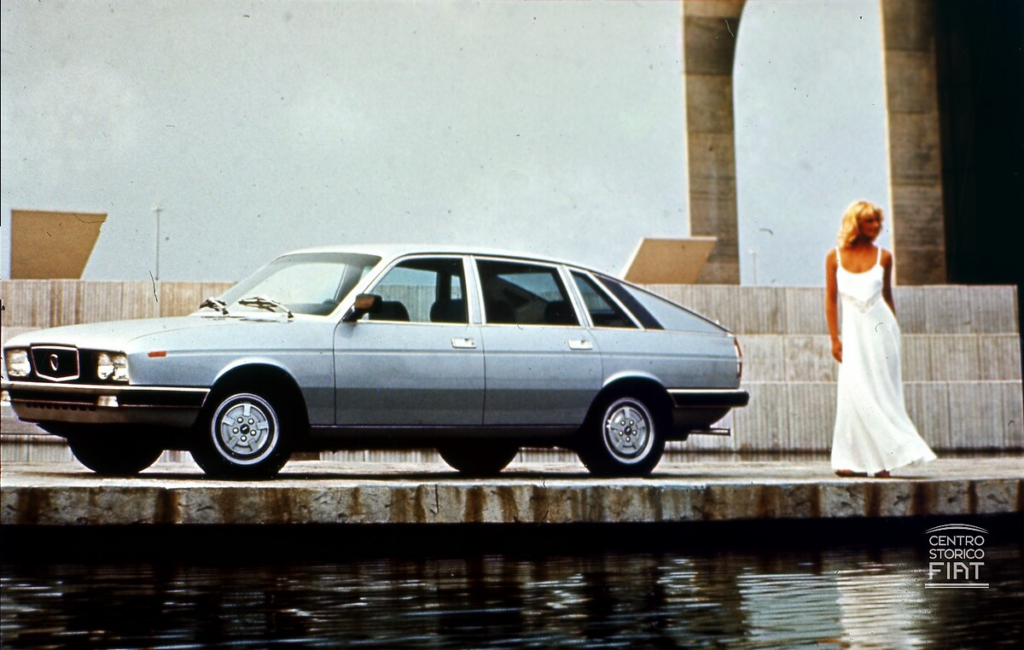
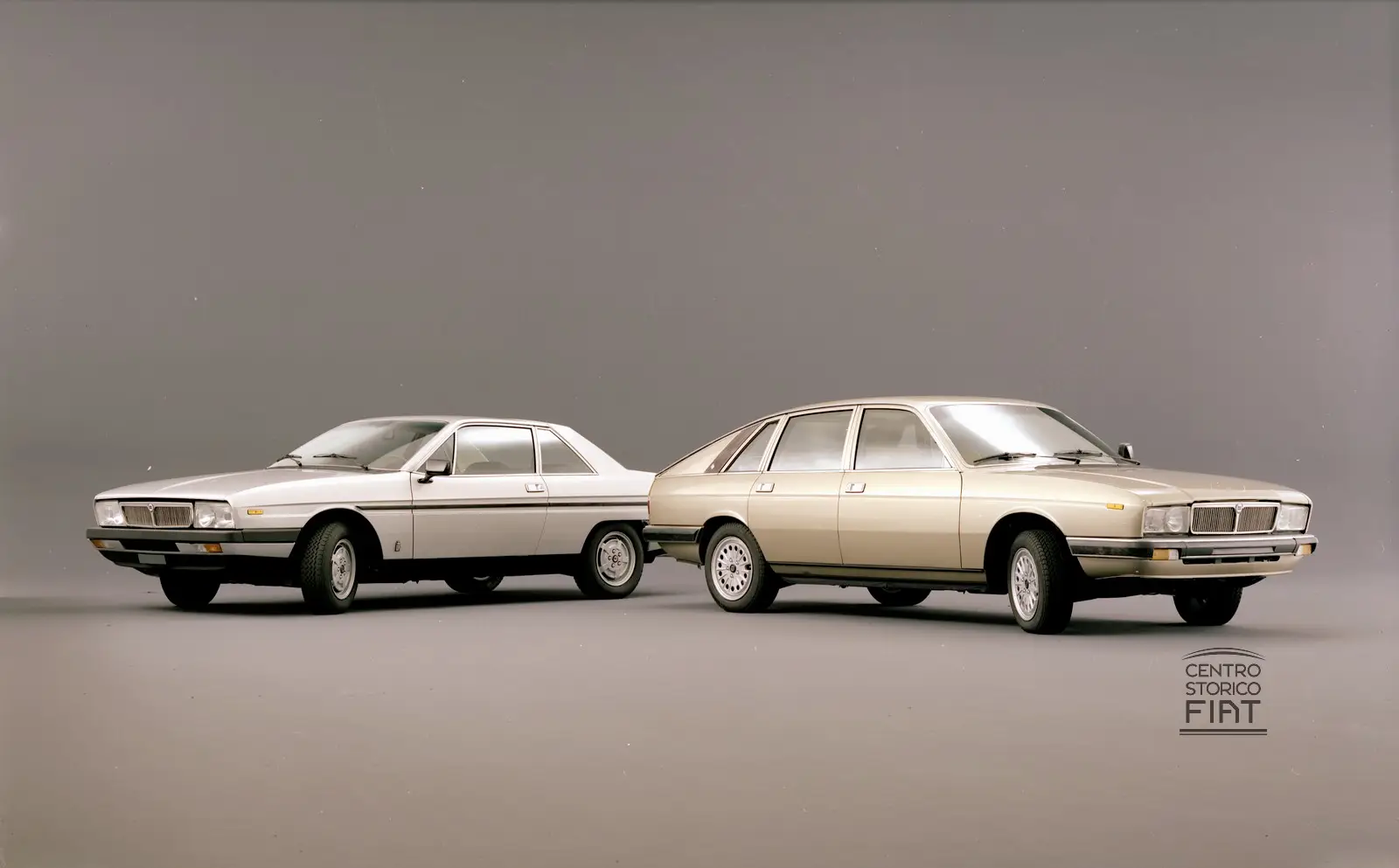
Available as both a four door berlina and a sleek two door coupe, the Gamma offered something for different types of buyers. The berlina focused on comfort and practicality, while the coupe delivered a more emotional and stylish driving experience.
Design That Defined an Era
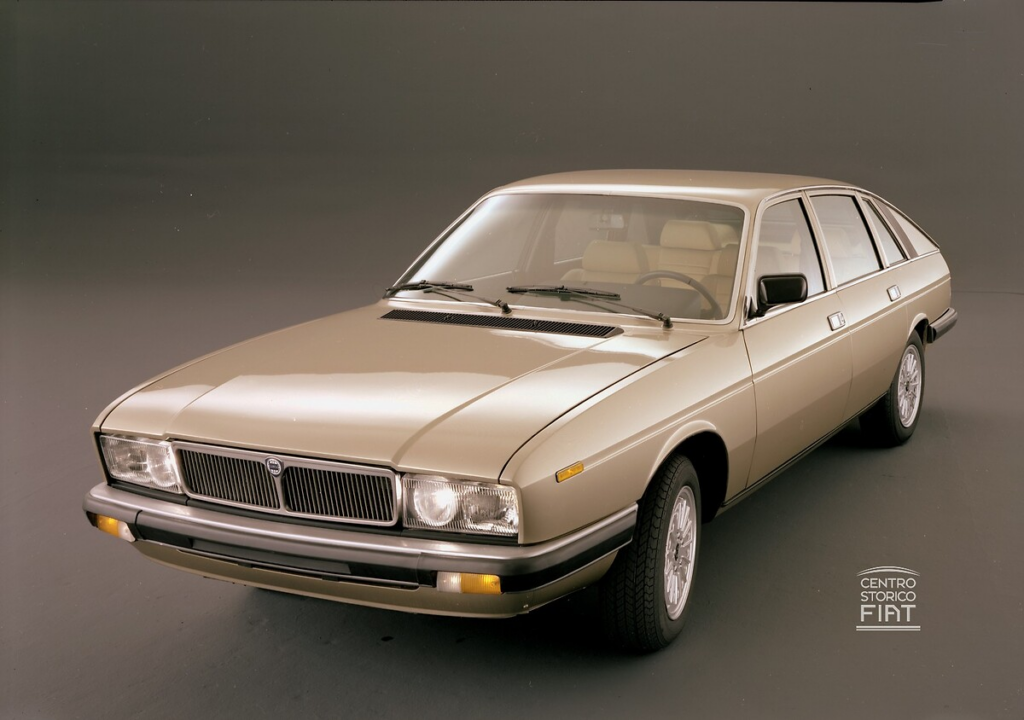
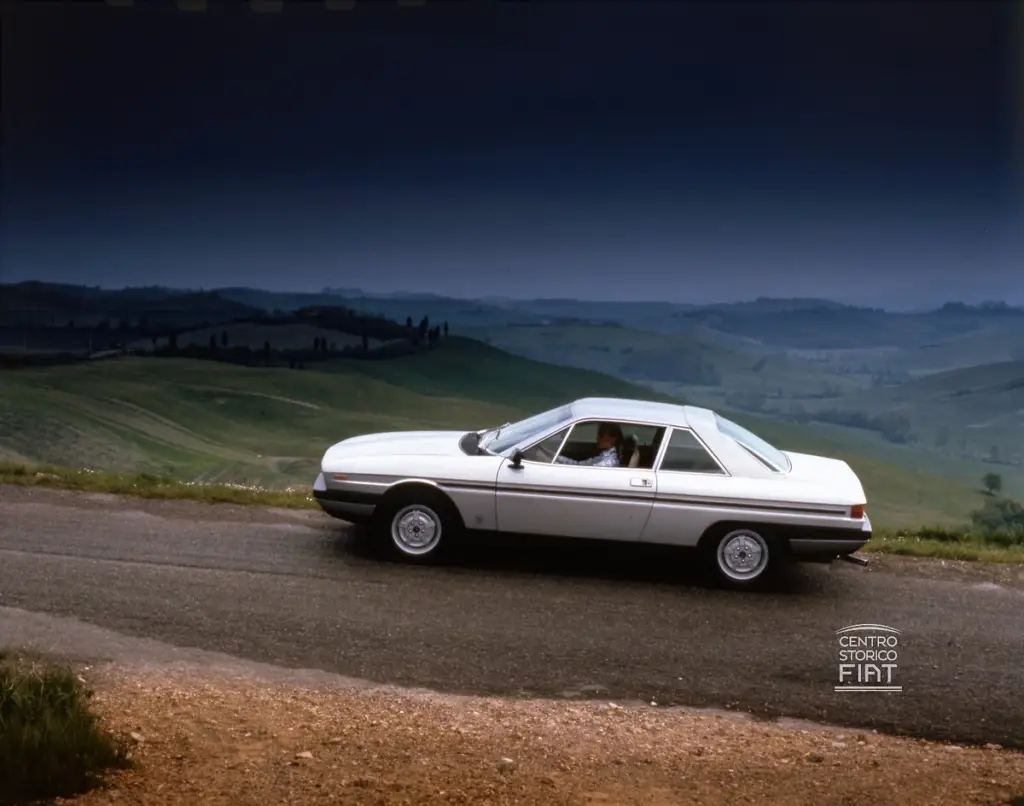
One of the Gamma’s strongest qualities was its design. Created in collaboration with Pininfarina, the car featured clean lines, balanced proportions, and a look that felt modern for its time.
The coupe, in particular, became a symbol of 1970s automotive style. Its long hood, low stance, and sharp edges gave it a refined yet sporty presence that still resonates with enthusiasts today.
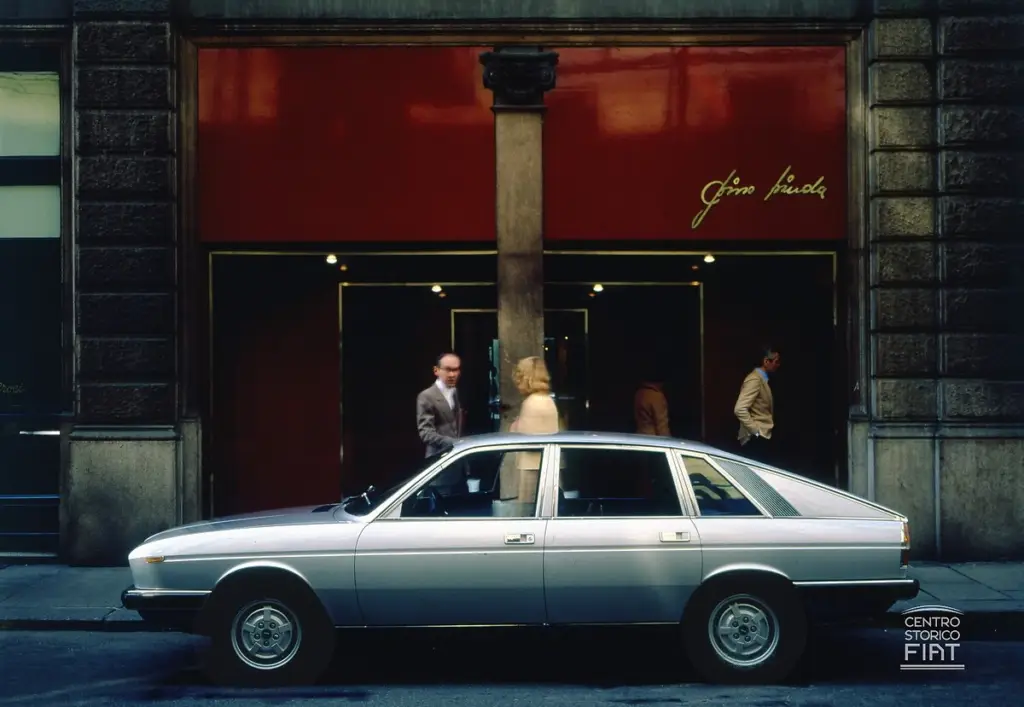
The berlina, with its fastback profile, offered a different kind of elegance. It avoided a traditional hatchback design to maintain a more formal and premium appearance, reinforcing its role as a flagship sedan.
Engineering With Character
Under the hood, the Gamma featured flat four engines ranging from 2.0 to 2.5 liters, paired with front wheel drive.
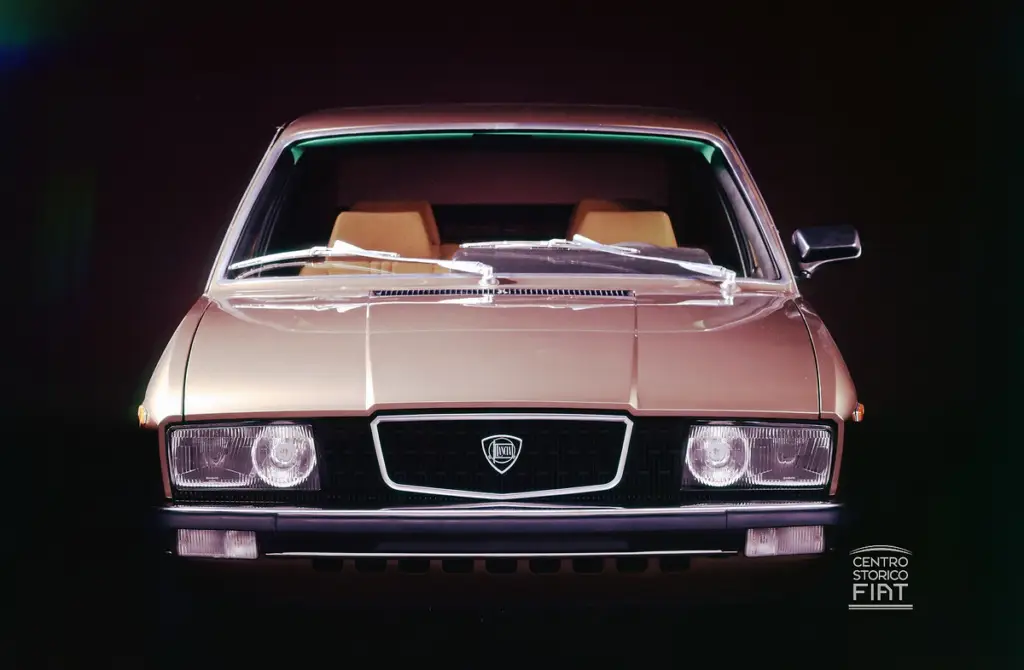
At a time when many competitors relied on more conventional setups, Lancia chose a unique engineering approach that emphasized smoothness and balance. Later updates introduced electronic fuel injection, improving both performance and reliability.
This willingness to innovate was part of what made the Gamma special. It was not just another executive car. It was a statement about what Lancia believed a flagship should be.
A Car That Took Risks
The Gamma arrived during a challenging time for the automotive industry, when fuel efficiency and changing market demands were reshaping priorities.
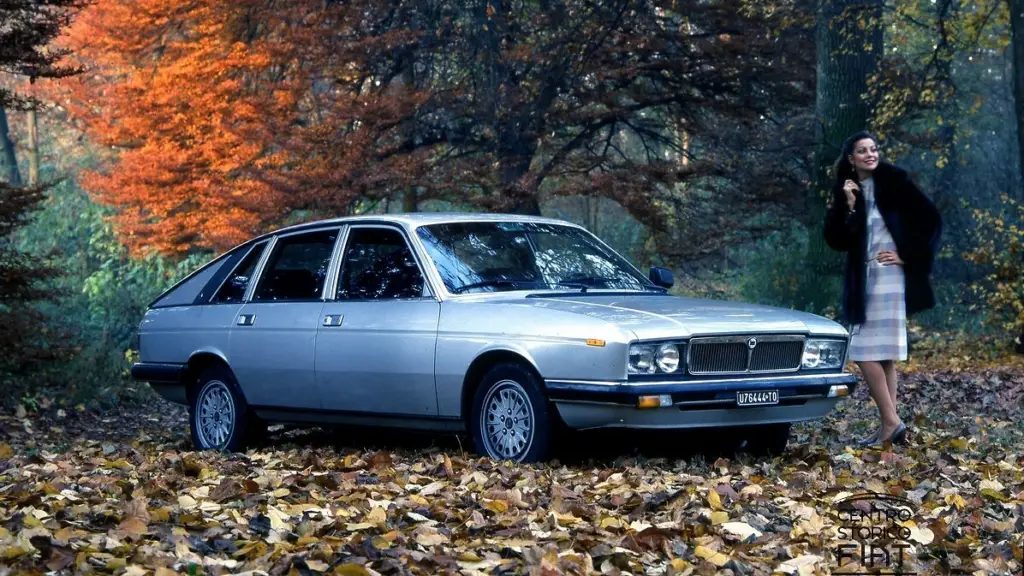
Lancia’s approach with the Gamma showed ambition. The brand aimed to deliver a luxury experience that stayed true to its engineering philosophy, even if it meant taking risks.
While those risks limited its commercial success, they also helped define the Gamma as a bold and memorable car.
Lasting Influence and Legacy
Production of the Gamma ran until 1984, when it was replaced by the more conventional Lancia Thema.
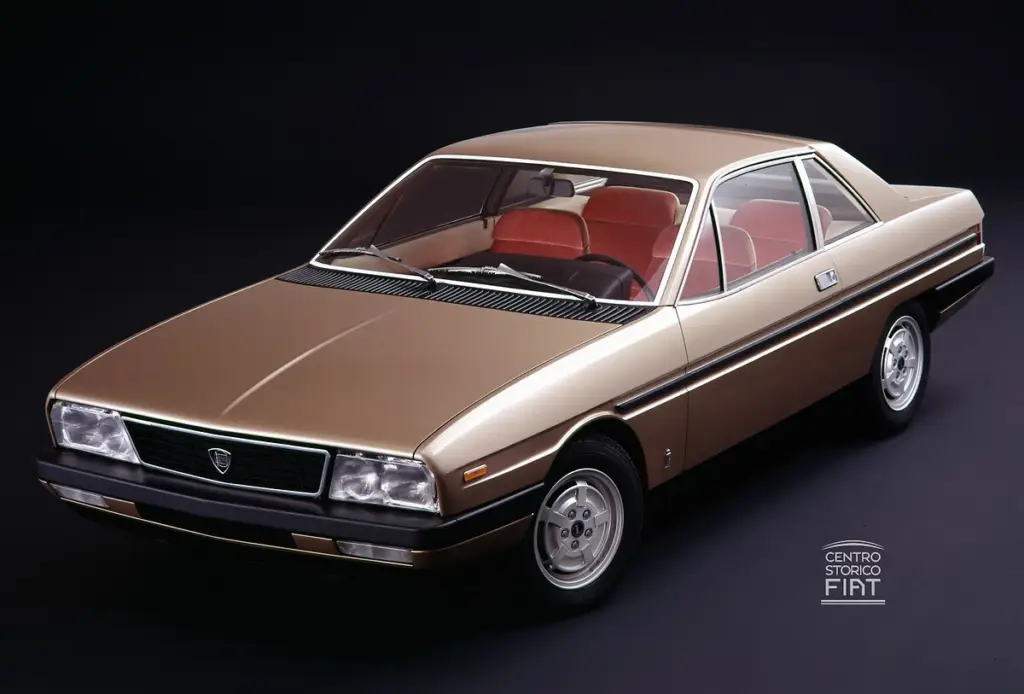
Even though its time on the market was relatively short, the Gamma left a lasting impression. It represented the end of an era where Lancia pursued highly individual engineering solutions and distinctive design choices.
Today, the Gamma coupe in particular is appreciated as a collector car, admired for its style and originality.
Looking Toward the Future
As Lancia continues its modern revival, the Gamma name is set to return on a new generation model. The upcoming version is expected to take a very different form, likely as a modern electrified vehicle that reflects today’s technology and market trends.
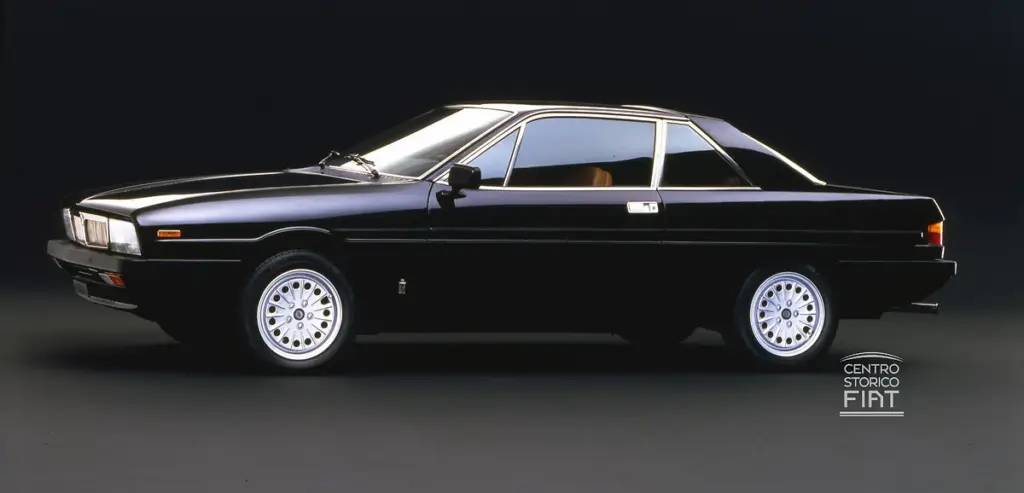
This connection between past and future highlights the importance of the Gamma name within the brand’s history.
Fifty Years of a True Original
Celebrating fifty years of the Lancia Gamma is about more than remembering a single model. It is about recognizing a car that captured the spirit of innovation, elegance, and individuality.
From the streets of Turin to the global stage, the Gamma remains a reminder of what made Lancia unique. Even decades later, its influence can still be felt, proving that true design and character never go out of style.

 Antique Cars
 Classics
 Military Vehicles
 Modern Vehicles
 Muscle Cars
 Restomods and Customs