

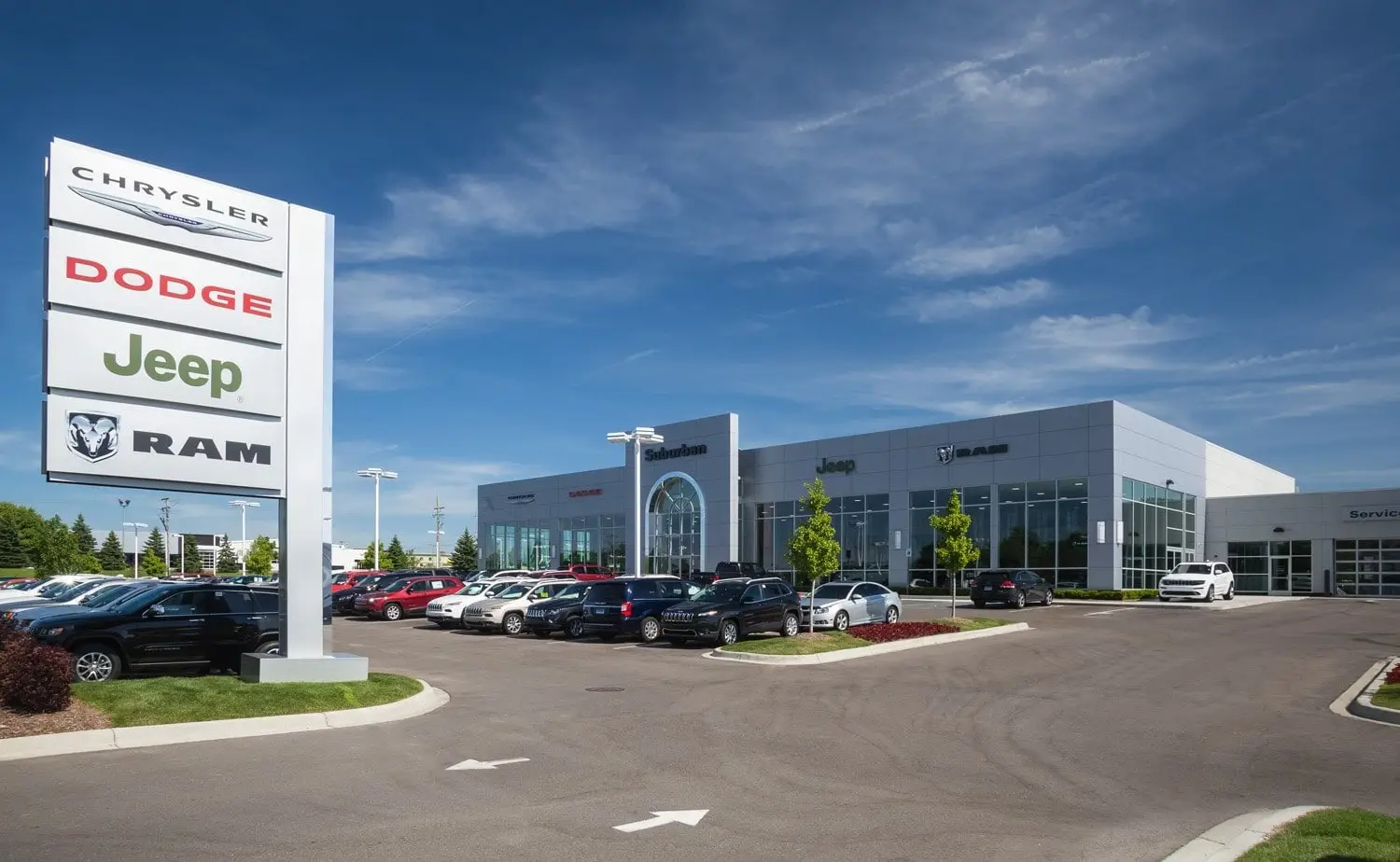
Carvana Expands into New-Car Sales by Buying Chrysler, Dodge, Jeep, Ram Dealerships
In a notable shift for the online car-buying pioneer, Carvana — long known as a digital marketplace for used vehicles — is increasingly building a physical presence by acquiring Chrysler, Dodge, Jeep, and Ram (CDJR) franchised dealerships across the United States. The strategy marks a major evolution for the Tempe-based company as it tests new-car retailing and dealership ownership alongside its existing online operations.
From Digital Retail to Brick-and-Mortar Franchise Ownership
Carvana’s recent acquisitions signal a strategic extension beyond its core used-vehicle model, as the company pushes into new-car sales and traditional dealership retailing. Most recently, Carvana acquired the Sacramento Chrysler Dodge Jeep Ram store in California, rebranding it under the Carvana name — its fifth franchised Stellantis (CDJR) dealership and its second in California.
Earlier franchise purchases included a Dallas-area Chrysler Dodge Jeep Ram in Texas and a San Diego location in Southern California, giving Carvana an expanding footprint in key automotive markets.
Industry observers note that these moves reflect Carvana’s effort to combine its online marketplace strengths with the traditional dealership model. Physical dealerships allow the company to sell new vehicles from Stellantis, enhance trade-in and inventory flow, and offer in-person service, parts, and support — aspects not fully covered by its original digital approach.
What This Means for Car Buyers and the Market
Carvana’s dealership acquisitions come at a time when franchised new-car retailers are seen as critical assets for automakers and consumers alike. Owning CDJR stores gives Carvana direct access to new Chrysler, Dodge, Jeep, and Ram inventory — not just used-vehicle stock — and a physical footprint that can support test drives, warranty service, and in-market sales experiences that many customers still value.
For buyers, this means the possibility of browsing and purchasing new vehicles through the Carvana platform with the added option of showroom visits and dealership support. Early consumer feedback suggests that some buyers have responded positively to new vehicle listings under the Carvana umbrella, with new RAM and Jeep models appearing in select markets following the acquisitions.
A Strategic Test for Future Growth
According to company statements, Carvana views these initial franchised acquisitions as a learning phase — a way to better understand how dealership operations, franchise regulations, and customer expectations intersect with its digital sales strengths. While still early in the rollout, the expansion into CDJR dealerships reflects a hybrid retail strategy that blends online convenience with traditional physical presence, potentially positioning Carvana to compete on multiple fronts.
As the automotive retail landscape continues to evolve, Carvana’s move into franchised new-car dealerships could signal broader changes in how consumers shop for and buy vehicles — and how technology-driven retailers balance digital convenience with physical service.

 Antique Cars
 Classics
 Military Vehicles
 Modern Vehicles
 Muscle Cars
 Restomods and Customs